

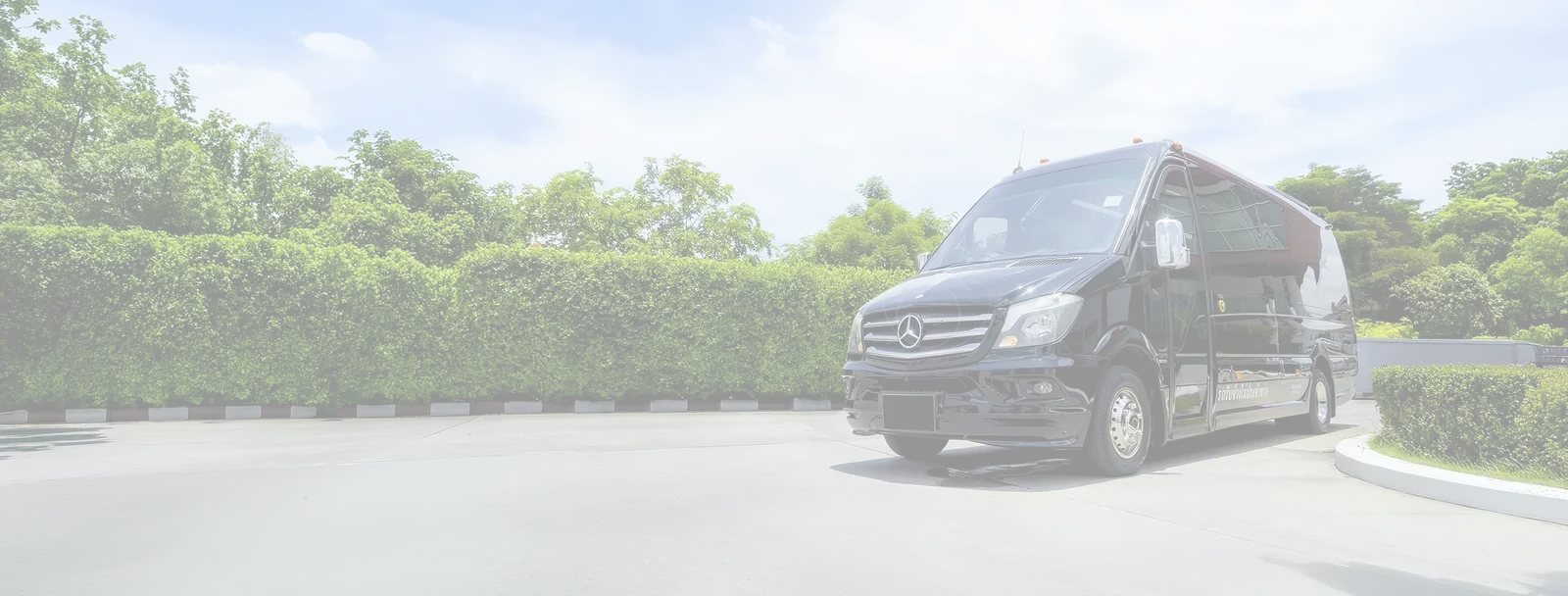
Registering a standard car in Dubai takes an hour. Registering a custom vehicle — a converted VIP van, a wide-body Defender, an armored build — takes preparation. Done correctly, it is a routine process. Done casually, it can stall for weeks. Here is how to do it right.
Step 1: Confirm Your Modifications Are Approvable
The RTA distinguishes between cosmetic and structural modifications. Interior conversions — seating, partitions, entertainment, trim — are generally straightforward. Structural changes — body extensions, wide-body kits, roof raises, armor — require an engineering assessment and, in some cases, ESMA or Emirates Authority approval documentation. A reputable modifications specialist will tell you upfront what is registrable and supply the paperwork to prove it.
Step 2: Gather the Documentation
- Original registration card (mulkiya) or export certificate for imported vehicles.
- Modification certificate or workshop invoice detailing the work performed.
- Engineering report for structural modifications, where applicable.
- Valid Emirates ID and, for company vehicles, trade license copy.
- Insurance certificate — issued only after the vehicle passes inspection.
Step 3: The Technical Inspection
Modified vehicles undergo an enhanced technical inspection at an RTA testing center (Tasjeel, Shamil, Wasel and others). Inspectors verify chassis integrity, lighting, emissions, braking and that the declared modifications match the certificate. Interior luxury conversions typically pass without issue when the work is professional and the electrical systems are properly fused.
Step 4: Insurance for Modified Vehicles
Standard policies do not automatically cover modifications. Declare the conversion value to your insurer — specialist brokers in Dubai handle VIP van and armored vehicle policies routinely. Undeclared modifications can void a claim, which on a six-figure interior is a risk not worth taking.
Step 5: Registration and Plates
With inspection passed and insurance issued, registration completes at any RTA customer center or via the RTA app: pay the registration fee (from around AED 380 plus plate and knowledge fees), receive your new mulkiya listing the vehicle’s approved specification, and fit your plates. Total timeline for a properly documented custom vehicle: one to three working days.
The easiest custom vehicle to register is one built by a workshop that registers them every week.
Common Mistakes That Delay Registration
The delays we see most: missing modification certificates from a previous owner’s workshop, window tint beyond the legal limit added after inspection, non-approved lighting upgrades, and insurance certificates issued before the inspection — forcing a second visit. The pattern is always the same: sequence. Certificate, inspection, insurance, registration. Follow the order and the process moves like clockwork.
How Barugzai Handles It for You
Every build that leaves our atelier ships with a complete documentation pack — modification certificate, itemized build sheet and engineering references — so registration is a formality, not a negotiation. For clients who prefer zero paperwork, our team completes the entire RTA process on your behalf. Contact us before you build, and register with confidence after.
Questions
Answers, Before You Ask
Поделиться статьёй

Barugzai Motors
Дубайский производитель VIP-автомобилей индивидуальной постройки. Создано в Дубае — доставляется по всему миру.